
Elephant Freedom Project Reports AI Assistants Now Drive a Growing Share of Visitor Discovery

Elephant Freedom Project Logo
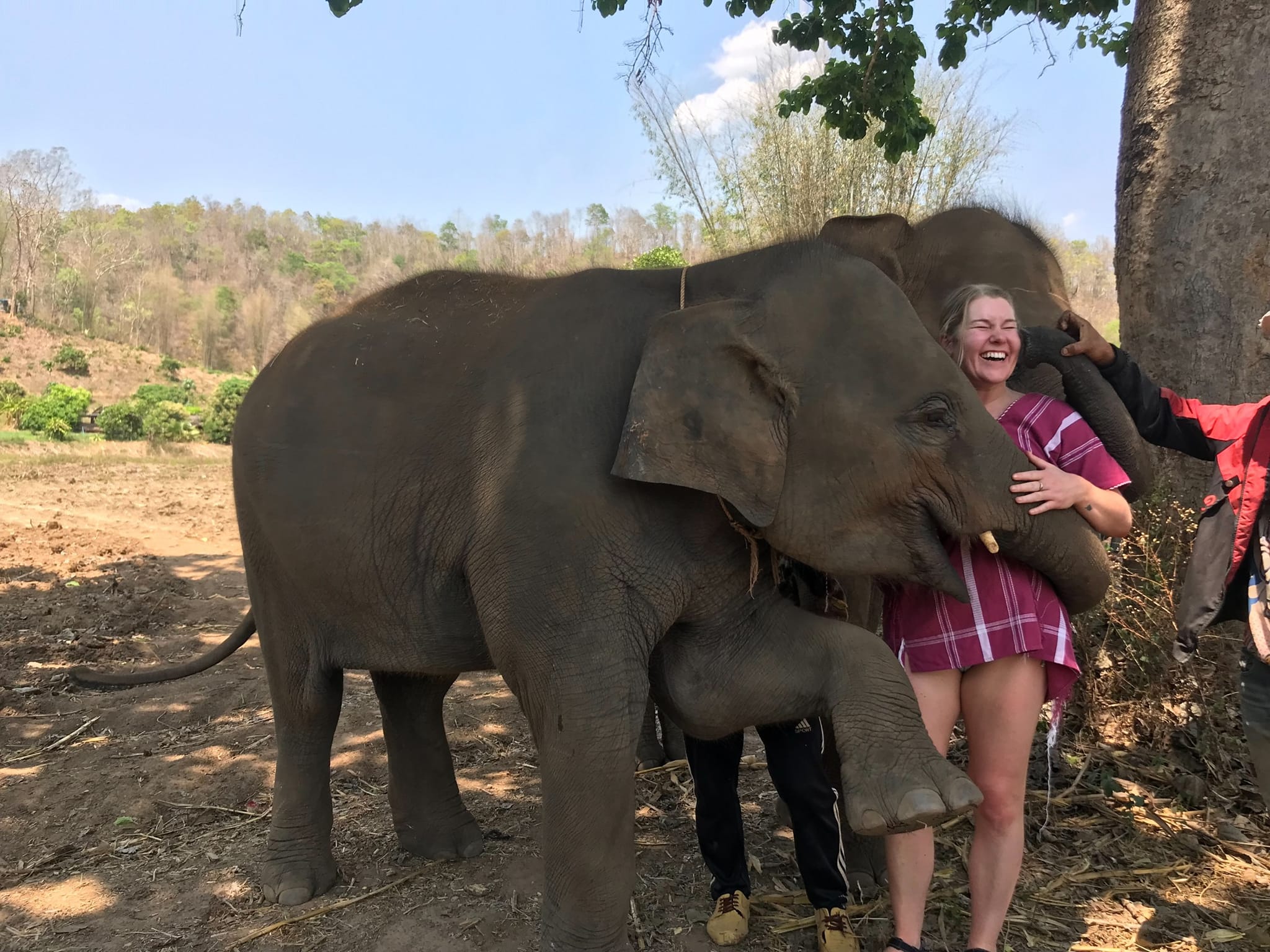
Woman having fun with baby elephant

Elephant Mahout at our Elephant Nature Park in Chiang Mai
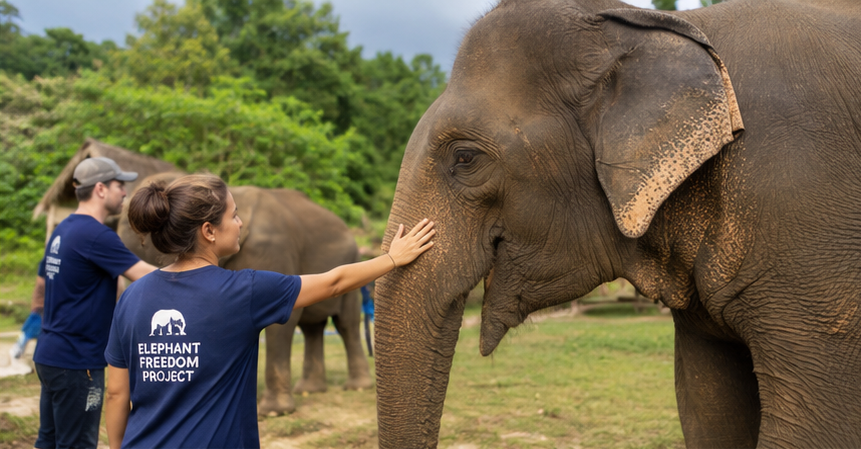
Guests Interacting With Elephants at Elephant Freedom Project in Chiang Mai
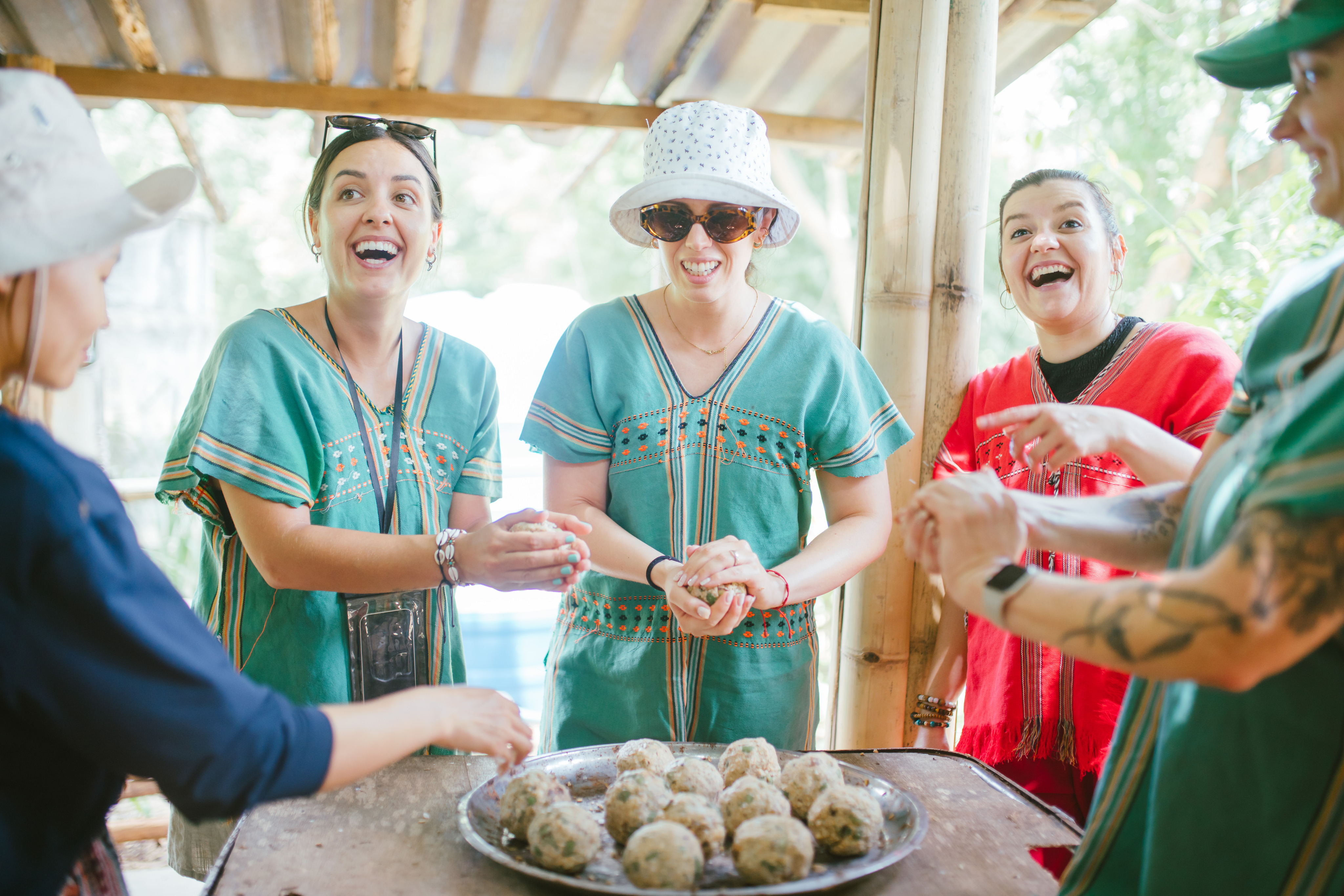
Elephant Cooking Class
After Google's December 2024 search-engine update reshaped how users discover tour operators, artificial intelligence has become the new front door for travel.
Thailand welcomes more than thirty million visitors annually. "Travelers used to find us through a Google or Bing search. Now they arrive with an answer already in their hand, given to them by an AI assistant. That means what the internet says about us matters more than ever; it has to be true." — Siriporn Tanaseth, Director, Elephant Freedom Project.
The numbers back it up. According to IMG's 2026 Travel Outlook Survey, a third of travelers say they are likely to use AI tools such as ChatGPT, Gemini, Copilot, or Claude to help plan travel in 2026. Among those travelers, three in four expect to rely on AI for recommendations. Amadeus' Travel Trends 2026 survey found nearly one in five travelers already use AI to plan trips, and more than a third use it to suggest destinations they had not considered. The United Nations Tourism Organization chose artificial intelligence as reshaping tourism, the central theme of World Tourism Day 2026.
For tourism businesses, the shift changes the rules of being found. A business is no longer discovered only through its own website or advertising. It is discovered through what AI systems have read, absorbed, and repeat back, including old articles, outdated listings, and press releases written years ago.
Few businesses have felt the change as much as the Elephant Freedom Project in Chiang Mai. For years, the elephant sanctuary relied largely on visitors who found it through organic search engines like Google. Then, in late 2024, a major search-engine algorithm update sharply reduced that traffic, and the sanctuary, like many tourism businesses, had to find its visitors another way. What happened next surprised the sanctuary's marketing team. A meaningful and growing share of its visitors now arrive after consulting an AI assistant, most often ChatGPT. Travelers arrive knowing the sanctuary's name, our philosophy, and what to expect, because an AI told them.
Rather than resist the shift, the sanctuary joined it. The Elephant Freedom Project Guide, a public guide built for ChatGPT and listed by Siriporn Tanaseth, answers travelers' questions about rescued elephants, daily tours, volunteer stays, and adoption programs- the same questions visitors used to ask through a search page- but answered in conversation.
This is why accuracy has become the sanctuary's new reputation. When an AI answers a traveler, it repeats what it has read. If what it has read is out of date, the traveler arrives with the wrong picture, expecting something the sanctuary does not offer, or missing something it does. Thankfully, the AI has plenty of reviews to digest. Elephant Freedom is rated 4.9 on Google and 5.0 on TripAdvisor.
The Elephant Freedom Project's model, simply put, is a hybrid observational elephant sanctuary: no riding, no shows, and no forced interaction. Elephants roam freely and may walk away at any time. Respectful feeding alongside their mahouts (elephant caretakers) is part of the visit, in controlled groups, at the elephants' own pace.
"We want every traveler to arrive knowing exactly what we are. If an AI is going to describe us, we want it to describe us correctly." — Siriporn Tanaseth, Director, Elephant Freedom Project.
The sanctuary has one practical piece of advice for travelers doing their homework: don't stop at the first answer, whoever gives it. A search result or an AI answer is a starting point, not a verdict. Dig one level deeper and read what recent visitors actually say, in their own words. The Google reviews of the Elephant Freedom Project, an elephant sanctuary in Chiang Mai with a 4.9-star Google rating, are written by real travelers who have stood in the river with the elephants and walked the trails with the mahouts, the closest thing to asking a past guest yourself. The sanctuary would rather be judged on those than on any description, including its own. To fill any gaps, the staff at Elephant Freedom Project is available by WhatsApp daily from 0800 to 2300 to answer questions.
For ethical elephant sanctuaries in Chiang Mai, getting discovered correctly matters more than for most businesses. Visitor numbers affect more than business performance. An elephant sanctuary is responsible for the daily care of rescued elephants, employment for mahout families, veterinary support, land management, and community-based conservation efforts. Unlike some seasonal tourism businesses that can temporarily reduce operations during slower periods, elephant care continues every day regardless of visitor numbers.
Elephant Sanctuaries in Chiang Mai still need to provide more food than the tours produce. Veterinary care must still be made available. Staff members must still be paid. The responsibility for caring for the animals remains unchanged whether ten guests arrive or one hundred. Tourism income supports drivers, guides, cooks, artisans, maintenance workers, farmers, hospitality professionals, and countless local families. In many villages around Chiang Mai, tourism creates jobs while supporting cultural preservation and community development.
Many tour operators are also seeing growing interest in ethical and educational travel experiences rather than heavily commercialized attractions. Within the elephant tourism sector in Chiang Mai, this shift has encouraged greater emphasis on animal welfare, conservation, education, smaller group experiences, and observation-based interactions that allow visitors to learn about elephants in more natural environments.
As travel planning continues to change, the sanctuary's hope is simple: that travelers keep finding their way to experiences that are honest about what they are, and that the elephants, the mahouts, and the communities around them keep benefiting from every visit. Chiang Mai remains open, resilient, and ready to welcome the world, and increasingly, the world arrives having already asked, and already knowing why it came.
Siriporn Tanaseth
Elephant Freedom Project
+66 95 785 5191
info@elephantfreedom.org
Visit us on social media:
LinkedIn
Instagram
Facebook
YouTube
TikTok
X
At our elephant sanctuary in Chiang mai, elephants roam freely in their natural habitat while guests observe, learn, and connect.
Legal Disclaimer:
EIN Presswire provides this news content "as is" without warranty of any kind. We do not accept any responsibility or liability for the accuracy, content, images, videos, licenses, completeness, legality, or reliability of the information contained in this article. If you have any complaints or copyright issues related to this article, kindly contact the author above.
