

Automotive Interior Material Market Expands as Innovative Materials & EV Adoption Drive Revenue Beyond $ 276.83 Billion
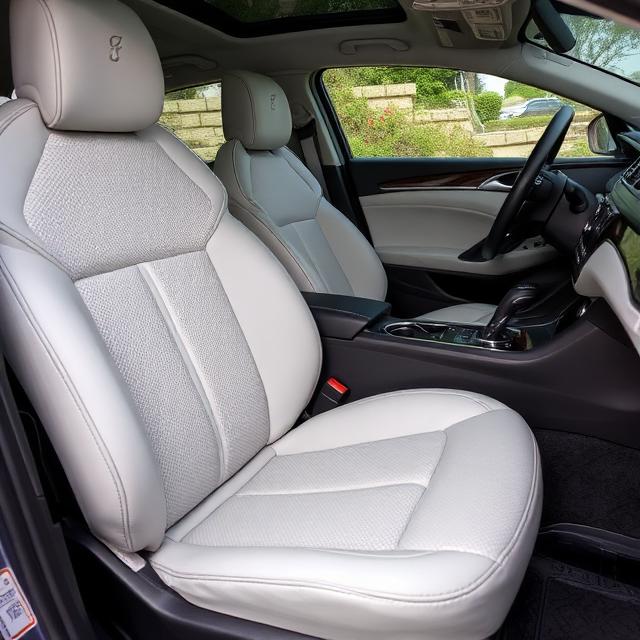
Automotive Interior Material
Asia-Pacific dominates the Automotive Interior Material Market with roughly 40% of global revenue, driven by China's and India's
GERMAN, UNITED KINGDOM, June 16, 2026 /EINPresswire.com/ -- The Automotive Interior Material Market is experiencing significant growth as automakers increasingly prioritize passenger comfort, vehicle aesthetics, sustainability, and advanced technologies. Automotive interior materials are used in various components, including seats, dashboards, door panels, carpets, headliners, steering wheels, and center consoles. These materials play a critical role in enhancing the overall driving experience while meeting performance, safety, and environmental standards.As consumer expectations continue to evolve, vehicle interiors are becoming more sophisticated and personalized. The rise of electric vehicles (EVs), connected cars, and premium vehicle segments has accelerated the demand for lightweight, durable, and eco-friendly interior materials. Manufacturers are investing heavily in innovative material solutions that combine functionality, comfort, and sustainability, positioning the market for robust growth throughout the forecast period.
Automotive Interior Material Market Value
The Automotive Interior Material Market reached an estimated USD 179.46 Billion in 2025 and is projected to grow from USD 187.64 billion in 2026 to USD 276.83 billion by 2035, registering a CAGR of 4.58% during the forecast period.
The market's expansion is primarily driven by increasing global vehicle production, growing consumer preference for premium interiors, and the widespread adoption of electric vehicles.
Automotive manufacturers are focusing on developing advanced interior solutions that improve vehicle efficiency, enhance passenger comfort, and reduce environmental impact. Rising investments in lightweight materials, recycled polymers, bio-based composites, and smart interior technologies are creating new growth opportunities for industry participants. Additionally, growing demand for luxury vehicles and enhanced cabin experiences is expected to contribute significantly to market revenue generation over the coming years.
Download Report Sample Copy: https://www.marketresearchfuture.com/sample_request/2675
Market Segmentation
By Material Type
Based on material type, the market is segmented into plastics, leather, fabric, vinyl, composites, and others.
Plastics account for a significant share of the market due to their lightweight characteristics, durability, design flexibility, and cost-effectiveness. Leather and synthetic leather materials remain highly preferred in premium and luxury vehicles because they provide superior aesthetics and comfort. Fabric materials continue to be widely used in mass-market vehicles, while composite materials are gaining popularity due to their strength, lightweight properties, and sustainability benefits.
By Component
The market is segmented into seats, dashboards, door panels, carpets, headliners, steering wheels, and others.
Seats represent one of the largest segments as manufacturers focus on improving passenger comfort through advanced upholstery and ergonomic designs. Dashboards and door panels are increasingly incorporating smart surfaces, digital displays, and touch-sensitive controls, driving demand for innovative interior materials. Headliners and carpets are also witnessing material advancements aimed at improving cabin acoustics and overall passenger experience.
By Vehicle Type
Based on vehicle type, the market is categorized into passenger cars, light commercial vehicles, and heavy commercial vehicles.
Passenger cars dominate the market due to increasing vehicle ownership, rising disposable incomes, and growing demand for comfort-oriented features. Meanwhile, commercial vehicle manufacturers are increasingly adopting advanced interior materials to improve driver comfort, reduce fatigue, and enhance productivity during long-haul operations.
By End User
The market is segmented into Original Equipment Manufacturers (OEMs) and the aftermarket.
OEMs account for the largest market share as automakers continue integrating advanced materials during vehicle production. The aftermarket segment is also growing steadily due to increasing consumer interest in interior customization, replacement upholstery, and premium upgrade solutions.
By Region
The market is geographically segmented into North America, Europe, Asia-Pacific, Latin America, and the Middle East & Africa.
Asia-Pacific remains the dominant regional market due to strong automotive manufacturing activities in China, India, Japan, and South Korea. The region benefits from growing vehicle production, expanding middle-class populations, and increasing adoption of electric vehicles. Europe and North America also hold substantial market shares, driven by strong demand for luxury vehicles, sustainable materials, and advanced automotive technologies.
Key Market Drivers
Rising Demand for Sustainable Materials
Sustainability has become a major focus area across the automotive industry. Manufacturers are increasingly incorporating recycled plastics, natural fibers, vegan leather, and bio-based polymers into vehicle interiors. These materials help reduce environmental impact while supporting corporate sustainability goals and regulatory compliance requirements.
Growing Adoption of Electric Vehicles
Electric vehicles require lightweight interior materials that contribute to improved battery performance and extended driving range. As EV production continues to rise globally, demand for advanced composites, engineered plastics, and lightweight textiles is expected to increase substantially.
Increasing Consumer Preference for Premium Interiors
Today's consumers expect vehicle interiors to offer superior comfort, aesthetics, and functionality. Premium seating materials, soft-touch surfaces, ambient lighting, and sophisticated cabin designs are becoming key differentiators for automotive brands, driving demand for high-quality interior materials.
Expansion of Smart Cabin Technologies
The growing integration of digital dashboards, connected infotainment systems, touch-sensitive interfaces, and intelligent lighting solutions is transforming vehicle interiors. Material manufacturers are developing innovative solutions that support electronic integration while maintaining durability and visual appeal.
Buy Now: https://www.marketresearchfuture.com/checkout?currency=one_user-USD&report_id=2675
Key Players
The Automotive Interior Material Market is highly competitive, with companies focusing on product innovation, strategic partnerships, and sustainable material development to strengthen their market positions.
Major market participants include:
BASF SE
Covestro AG
Lear Corporation
Adient plc
Grupo Antolin
Toyota Boshoku Corporation
FORVIA
Yanfeng Automotive Interiors
Sage Automotive Interiors
Seiren Co., Ltd.
These companies continue investing in advanced material technologies, lightweight solutions, and environmentally friendly products to meet evolving automotive industry requirements.
Recent Developments
Focus on Recycled and Bio-Based Materials
Leading automotive interior suppliers have accelerated the development of recycled polymers, natural fiber composites, and bio-based materials to support sustainability initiatives. These materials help reduce vehicle carbon emissions while maintaining high-performance standards.
Introduction of Lightweight Seating Solutions
Manufacturers are introducing advanced seating systems that utilize recyclable and lightweight materials. These innovations are particularly beneficial for electric vehicles, where weight reduction contributes directly to improved battery efficiency and vehicle range.
Advancements in Smart Interior Concepts
Automotive interior companies are investing in next-generation smart cabin technologies featuring artificial intelligence, digital interfaces, personalized user experiences, and intelligent surfaces. These developments are transforming traditional vehicle cabins into connected and interactive environments.
Expansion of Sustainable Upholstery Materials
The industry is witnessing growing adoption of vegan leather, recycled textiles, and environmentally friendly fabrics. Automakers are increasingly incorporating these materials into vehicle interiors to meet consumer demand for sustainable mobility solutions.
Enhanced Focus on Cabin Air Quality
Manufacturers are developing low-VOC materials, coatings, and adhesives designed to improve cabin air quality. This trend is gaining importance as consumers and regulators place greater emphasis on healthier vehicle environments.
Related Report
Polyacrylamide Market https://www.marketresearchfuture.com/reports/polyacrylamide-market-7910
Xylene Market https://www.marketresearchfuture.com/reports/xylene-market-1001
Oxygen-Free Copper Market https://www.marketresearchfuture.com/reports/oxygen-free-copper-market-10547
Titanium Dioxide Market https://www.marketresearchfuture.com/reports/titanium-dioxide-market-1081
Molecular Sieves Market https://www.marketresearchfuture.com/reports/molecular-sieves-market-8437
Sagar Kadam
Market Research Future
+ +1 628-258-0071
email us here
Visit us on social media:
LinkedIn
Facebook
X
Legal Disclaimer:
EIN Presswire provides this news content "as is" without warranty of any kind. We do not accept any responsibility or liability for the accuracy, content, images, videos, licenses, completeness, legality, or reliability of the information contained in this article. If you have any complaints or copyright issues related to this article, kindly contact the author above.
